

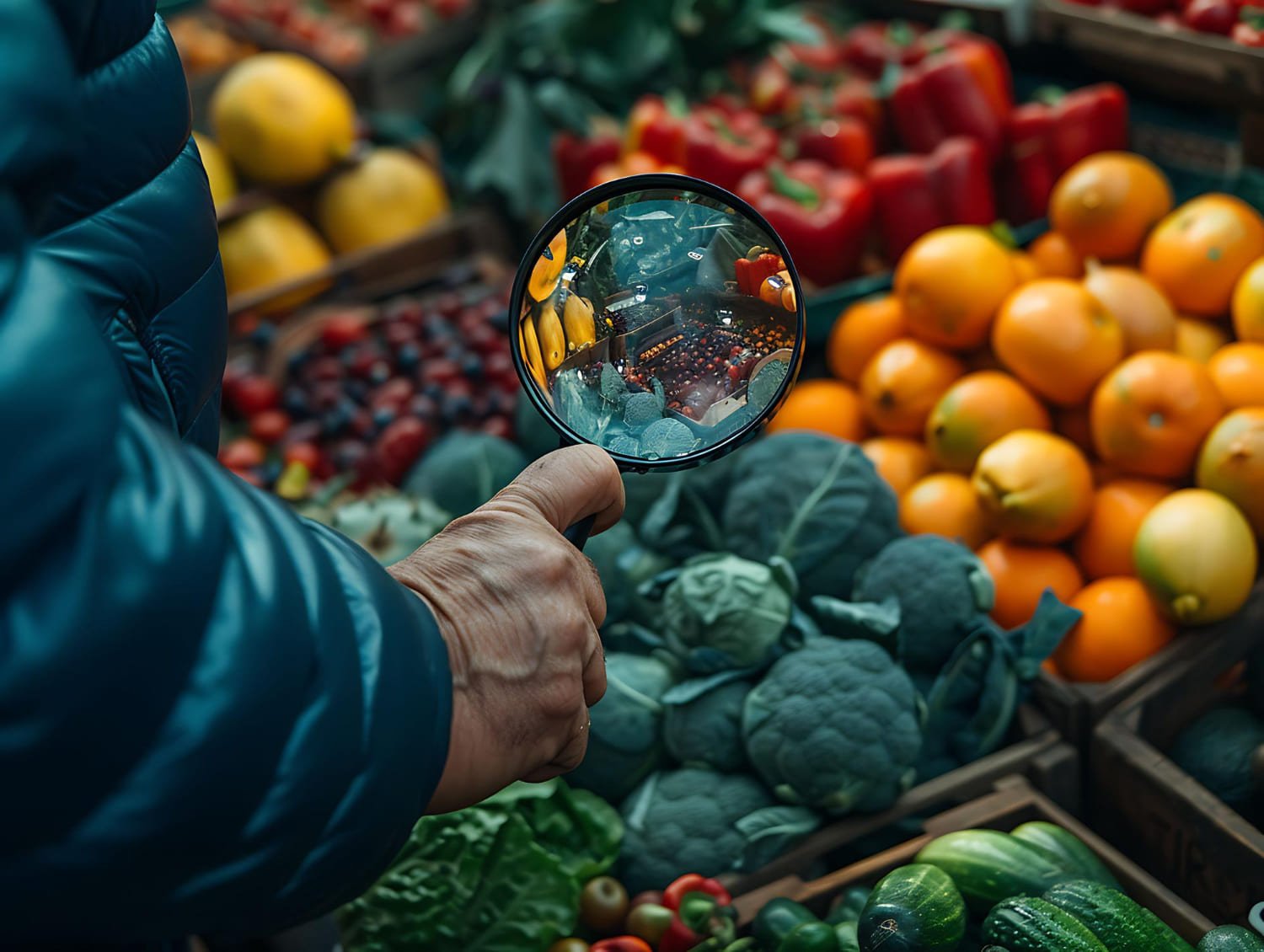
Food security and access to clean water are the foundations of a decent life and social stability. Food and water are not just daily needs, but vital elements that are linked to human survival, health, and the ability to learn, work, and produce. When families are deprived of these two basic elements, they enter a cycle of fragility and vulnerability that can affect all aspects of life, from health and education to the economy and psychosocial stability.
The most vulnerable households are the most affected by any disruption in food and water availability, as limited resources leave them unable to cope with rising prices, lack of services or emergencies. Supporting food security and improving access to clean water is not only a humanitarian response, but a pivotal intervention in protecting families, strengthening their resilience, and alleviating the pressures they face on a daily basis.
The impact of food security begins with the preservation of human health and dignity. Access to adequate and balanced food guarantees an individual the minimum level of nutrition needed to grow, be active and resist disease. When food is available on a regular basis, malnutrition rates decrease, the health of children, women and the elderly improves, and families are better able to lead normal lives. In the absence of this security, families are forced to reduce meals or go without some essential nutrients, leading to cumulative health issues that negatively impact the entire community.
Food security is also directly related to family stability. When a family is assured of its ability to secure its basic food, it is less likely to experience stress, turmoil and psychological pressure. When food becomes a daily obsession, it affects relationships within the family, its members' sense of security, and their ability to plan for the future. Any intervention that promotes food security is a direct support to family stability and cohesion.
On the other hand, clean water is as important as food and is a prerequisite for life, health and prevention. The availability of safe water for drinking and daily use protects families from many diseases associated with water pollution and poor environmental sanitation, improves personal and public hygiene, and reduces the health and economic burden of disease outbreaks. In fragile environments, a single drop of safe water can change the lives of hundreds of families, as it shortens long suffering, improves health, and reprioritizes daily life.
Water is even more important when we consider its impact on women and children. In many communities, women and girls are responsible for fetching water from long distances, which means a drain on time and effort, depriving them of opportunities for education, employment or community participation. When water is available within the community or close to homes, it not only improves health conditions, but also alleviates the daily burden and allows women and children to play more active roles in family and community life.
The relationship between food and water is complementary and inseparable. Food security cannot be fully realized without the availability of water, whether for direct consumption, agriculture, livestock farming, personal hygiene and public health. Conversely, having water but not being able to feed a family keeps them in a cycle of need. Therefore, the most effective interventions are those that look at food and water in an integrated vision, aiming to improve the quality of life in several aspects at the same time.
The impact of food security and water projects goes beyond meeting immediate needs, and goes beyond building resilience. When a family receives support to help them secure their food, or when sustainable water projects are established, they become more resilient to future crises and less likely to slip into more fragile situations. This is where the developmental dimension of these interventions comes in, as they not only address the current situation, but also strengthen the community's resilience in the long run.
Another important aspect is that improving food and water security has an impact on education. A child with access to good food and clean water is better able to concentrate and learn, and is less likely to fall ill and drop out of school. This means that investing in these sectors is not only a health investment, but an investment in the future of generations. A family that is not exhausted every day searching for water or food is better able to support their children's education and improve their life chances.
Food security and water projects also contribute to the sense of dignity of the beneficiaries, as they are linked to the most basic and important human rights. Human beings not only need to survive, they need to live with dignity, in an environment that provides them with a minimum level of health, stability and security. When these basic needs are met in a way that preserves their status and privacy, the humanitarian impact of the project becomes deeper and more respectful of the beneficiary's humanity.
Humanitarian and development organizations working in the food security and water sectors play a pivotal role in protecting and stabilizing society. These projects are not just about providing a food basket, digging a well or building a water network, but about protecting lives, preventing suffering, opening a door to stability, and rebalancing the lives of families that have been exhausted by circumstances. Every successful intervention in this area has a direct impact on health, education, the economy and social cohesion.
In conclusion, it can be said that food security and water are the cornerstones of building a more stable and resilient society. Every effort made in these two sectors is an effort to protect human beings, enhance their resilience, and preserve their dignity. Therefore, investing in them is not just a response to an emergency need, but a strategic step towards real development that starts from the basics without which life is not possible.